You’re packing for a trip and staring down a decision that didn’t exist a decade ago: eSIM or physical SIM? It
sounds like a small detail, but it affects your budget, how much time you lose at the airport, and whether
you’re reachable the moment you land.
The Short Answer
For most travelers in 2026, an eSIM wins on cost, speed, and convenience. A physical SIM still makes sense in
a handful of specific situations — mainly older phones, extremely remote destinations, or budget local carriers
that haven’t gone digital yet. Below is the honest breakdown of when each one is the better call.
Cost Comparison
Roaming through your home carrier is almost always the most expensive option, often charging by the
megabyte or a flat daily fee that adds up fast on a two-week trip. A physical SIM bought locally is usually
cheaper than roaming, but you’re paying a small premium for the convenience of buying it right at the airport
or a kiosk. An eSIM purchased ahead of time typically lands in between or even below local SIM pricing,
especially for regional or multi-country plans, because you’re buying directly from a digital provider without
the retail markup of a physical kiosk.
Convenience Comparison
This is where the gap is widest. Buying a physical SIM usually means finding a kiosk or convenience store,
waiting in line, showing ID in some countries, and hoping the staff speaks enough English to walk you through
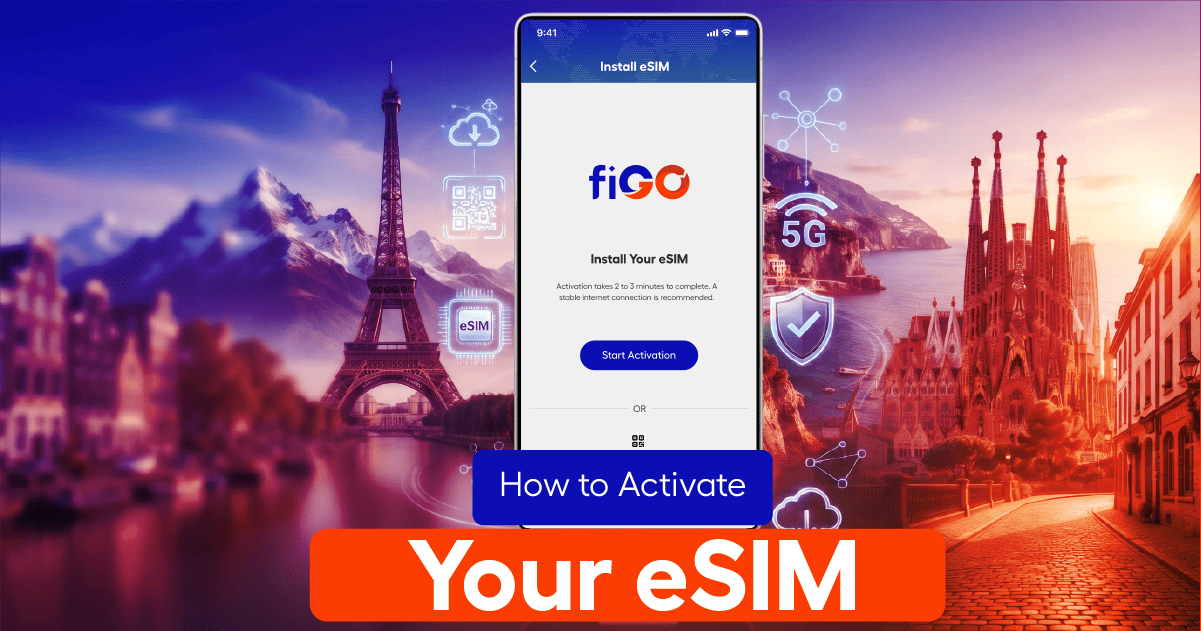
setup. An eSIM skips all of that — you buy it from your phone before you even board, scan a QR code, and
you’re online the second you land, without needing to find WiFi or ask a stranger for directions to the nearest
SIM shop.
Reliability and Coverage
Physical SIMs still have an edge in a few specific cases. If you’re headed somewhere with limited eSIMcompatible carrier infrastructure, or you want access to the cheapest possible local budget carrier that only
sells physical cards, a SIM card bought in-country may give you better coverage or a lower price than what’s
currently available digitally. This is uncommon in major destinations but worth checking for very remote or
under-served regions.
Dual SIM — Why You Don’t Have to Choose
Here’s the detail most comparisons skip: on nearly every modern phone, you don’t have to pick one. Dual SIM
support means you can keep your home number active on your physical SIM for calls and texts, while your
eSIM handles data. You stay reachable on your normal number for anyone calling or texting you, and you
avoid expensive roaming charges on data, all at the same time.
eSIM vs. Physical SIM at a Glance
| eSIM | Physical SIM | |
|---|---|---|
| Setup time | A few minutes, before you land | 20–40 minutes at a kiosk on arrival |
| Typical cost | Often cheapest for short-to-medium trips | Can be cheaper in select budget markets |
| Availability | Instant, anywhere with WiFi | Requires finding a physical retailer |
| Best for | Most travelers, most destinations | Very remote areas, older devices |
If you’re heading somewhere well covered by digital carriers, and your phone supports eSIM, there’s very little
reason to spend your first hour abroad standing in a SIM kiosk line. Browse fiGO’s country and regional eSIM
plans and have your connection sorted before you even board.