Most eSIM questions get answered one tab at a time — what is it, how much data do I need, does it work in
this specific country. This guide pulls all of it into one place, so you’re not opening ten browser tabs before a
trip.
What Is an eSIM and How It Works
An eSIM is a digital SIM card built into your phone, activated with a QR code instead of a physical card. See our
full beginner’s guide for the complete breakdown, including which phones support it and how to install one in
under five minutes.
eSIM vs. Alternatives
Wondering how an eSIM stacks up against a physical SIM, or the airport tourist SIM kiosk? Both comparisons
come down to the same themes: eSIM wins on setup speed and, in most cases, price, while a physical option
still has a narrow edge for incompatible phones or very remote destinations. See our eSIM vs. physical SIM and
eSIM vs. tourist SIM guides for the full breakdown.
How Much Data You Need
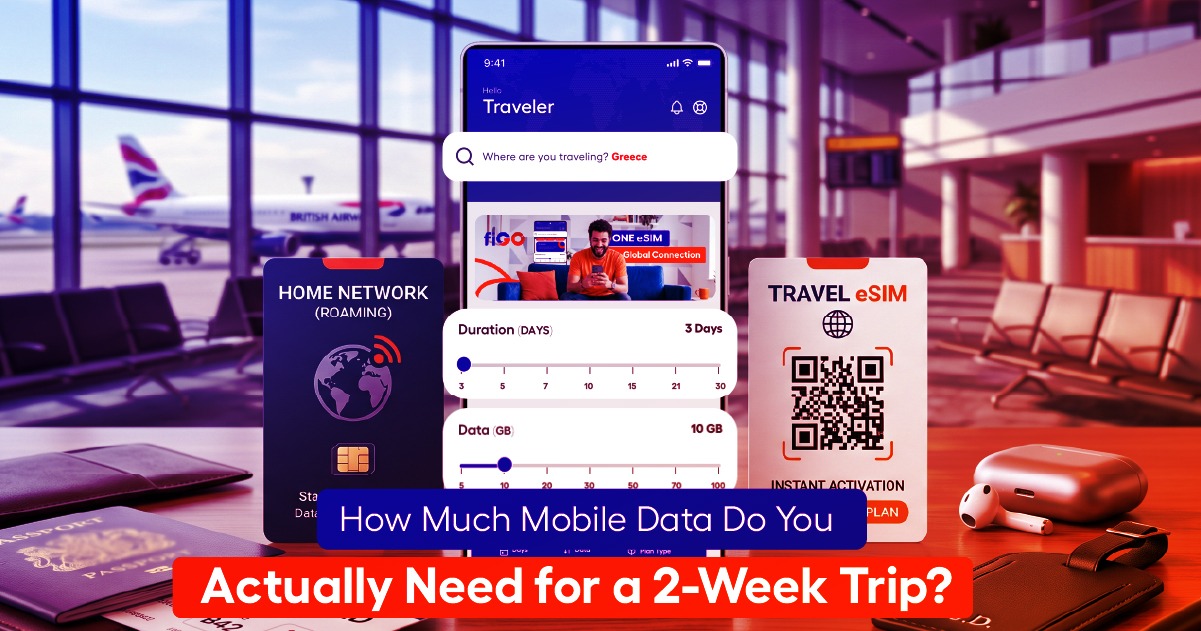
Data needs vary by traveler type, from light users doing mostly maps and messaging to heavy users
hotspotting a laptop all day. Our full data guide breaks this down by daily usage so you can size a plan
accurately instead of guessing.
Setting Up and Troubleshooting
Installing an eSIM takes a few minutes, and most activation problems come down to a small handful of fixable
causes. See our setup guide and our troubleshooting guide for step-by-step fixes if something isn’t working.
Country-by-Country Guides
We’ve put together dedicated guides for the most commonly searched destinations, covering network
coverage, typical data needs, and setup timing for each: USA, UK, Japan, Germany, France, Italy, and Thailand.
Choosing Between Providers
If you’re comparing eSIM apps directly, see our head-to-head comparisons of fiGO against Airalo, Holafly, and
Saily, along with our breakdown of plan types — fixed, unlimited, and pay-as-you-go — so you understand
exactly what you’re paying for regardless of which provider you choose.
Special Use Cases
Different kinds of trips need different approaches: digital nomads prioritize reliability over a long stay, business
travelers need speed on short notice, and families need a plan for managing data across multiple devices at
once. See our dedicated guides for each.
Safety and Security
An eSIM is generally more secure than relying on public WiFi for sensitive tasks like banking. See our full
security guide for the details on what actually puts your data at risk while traveling, and how to avoid it.
Frequently Asked Questions
What’s the single most common eSIM mistake? Activating the plan too early and losing part of its validity
window before the trip even starts — always install ahead of time, but activate only on arrival.
Do I really need to research this much before every trip? No — once you understand the basics in this
guide, choosing a plan for any new destination takes just a few minutes.
Once you’ve worked through the basics above, the next step is simple: check fiGO’s plans for your destination
and get connected before you fly.