Thailand draws two very different kinds of travelers — short-term tourists moving fast through Bangkok,
Phuket, and the islands, and long-stay digital nomads settling into Chiang Mai or a beach town for weeks or
months. Both need a working data connection, just in different amounts.
Do You Need an eSIM for Thailand?
Yes, for both groups. Tourists rely on it for Grab rides, translation, and navigating between islands and cities;
nomads rely on it as a backup to café and coworking WiFi, and sometimes as their primary connection entirely.
Thailand Network Coverage
Thailand’s major carriers — AIS, True, and dtac — provide strong coverage across Bangkok, Phuket, Chiang
Mai, and most tourist areas. Coverage on smaller, more remote islands can be thinner, and while it’s generally
reliable in populated beach areas, it’s worth checking specific island coverage if your itinerary includes a
smaller or less-developed destination.
How Much Data for a Thailand Trip
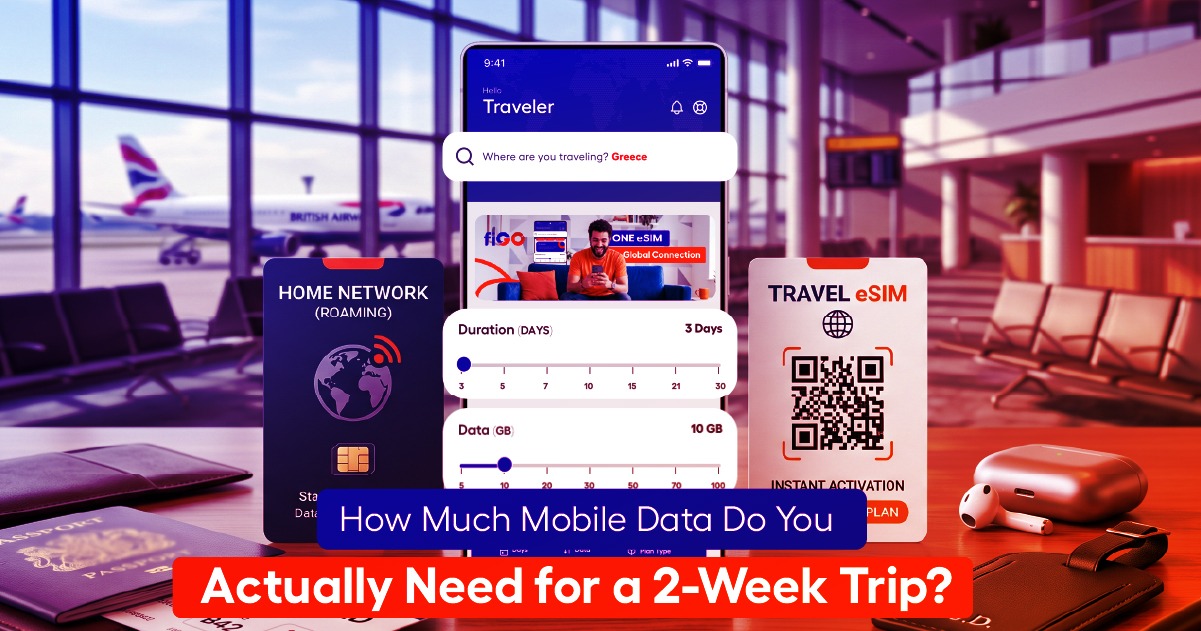
Tourist usage — Grab, maps, translation, social media — typically runs 1 to 1.5 GB per day. Nomad usage, with
heavier video call and hotspot use, should be budgeted closer to the higher end of a standard data plan, or
towards an unlimited-style option if video calls are a daily part of the routine.
Setting Up Before Landing
Install your eSIM over WiFi before your flight, leave it inactive during travel, and activate it as soon as you land
at Bangkok’s Suvarnabhumi or Don Mueang airport. This is especially useful given how central Grab and
translation apps are to getting from the airport into the city smoothly.
Using Data for Grab, Translation, and Island-Hopping
Grab, Thailand’s dominant rideshare and delivery app, and Google Translate both rely heavily on a stable data
connection, and having both working immediately on arrival avoids a lot of first-day friction. For island-hopping
via ferry, coverage generally holds well near populated coastlines with some thinning mid-crossing on longer
routes.
Frequently Asked Questions
Does my eSIM work on Koh Samui or Koh Phangan? Yes, coverage is generally solid in the main
populated and tourist areas of both islands, with some thinning in more remote interior or less-developed stretches.
Can I extend my eSIM if I stay longer than planned? Most providers offer top-ups or plan extensions
directly in-app — check your specific provider’s options before your original plan expires if you’re extending your stay.
fiGO’s Thailand and Southeast Asia regional plans work well for both short tourist trips and longer nomad stays
— check which fits your itinerary before you fly.