Japan is one of the most-searched eSIM destinations in the world, and for good reason — between the
language barrier, the reliance on precise train navigation, and the sheer amount of translating you’ll do on a
daily basis, connectivity here isn’t optional the way it might be elsewhere.
Why an eSIM Is Almost Essential for Japan
Google Maps and Google Translate carry most of the load for first-time visitors to Japan, from reading menus
to finding the right train platform. Without a working data connection, both of those become far less useful,
and Japan’s famously precise but complex train systems are much harder to navigate on paper alone.
Japan Network Coverage
Japan’s major carriers — NTT Docomo, SoftBank, and au — provide excellent coverage across virtually all
populated areas, including strong signal on the Shinkansen bullet train routes. Coverage in genuinely remote
mountain areas or small outlying islands can be thinner, but for the standard Tokyo–Kyoto–Osaka circuit and
most other tourist routes, connectivity is reliably strong.
How Much Data for a Japan Trip
Between constant map checks, translation app use, and photo uploads, budget on the higher side: 1.5 to 2.5
GB per day for typical sightseeing, more if you’re also streaming or making regular video calls home.
Setting Up Before You Land
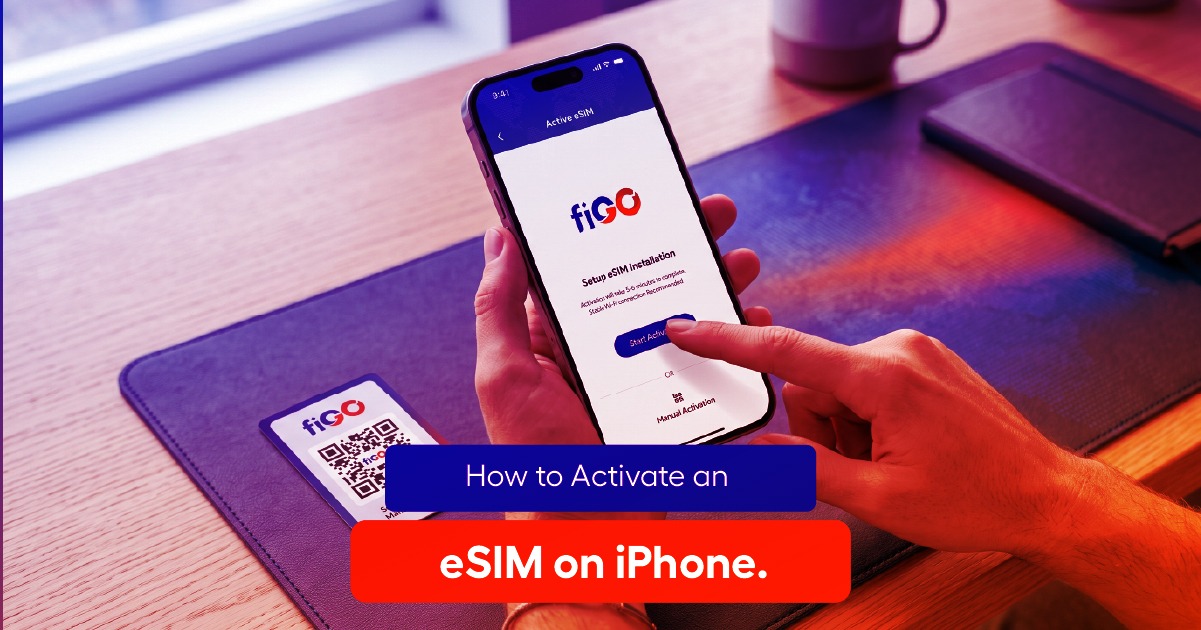
Install your eSIM over WiFi before departure, keep it inactive during your flight, and activate it as soon as you
land at Narita, Haneda, or Kansai International. Immigration and customs lines in Japan can be long, so having
your maps and translation apps ready to go the moment you’re through makes a real difference.
Common Japan-Specific Issues
Coverage is excellent in virtually all cities and along major rail corridors, but some older stations, deep
underground platforms, and very remote rural or mountain areas can have gaps. This is rarely an issue for a
standard tourist itinerary, but worth knowing if you’re heading somewhere off the beaten path.
Frequently Asked Questions
Will my eSIM work on the Shinkansen? Yes, coverage along the major Shinkansen routes is generally
strong and consistent, including through most tunnels on newer lines.
Do I need a Japanese phone number for restaurant reservations? Some smaller, traditional restaurants
still prefer phone reservations, and a few booking platforms may ask for a local number, but the large majority
of restaurants, especially in major tourist areas, take reservations through apps or English-friendly booking
sites that don’t require one.
fiGO’s Japan eSIM plans are sized for exactly this kind of trip — check coverage and pricing before you fly.